How Long Do Movies Take to Film? Movie Production Timelines Explained
&format=jpeg) Film timelines are wildly unpredictable—some movies wrap in weeks while others stretch for months, depending on budget, creativity, and scale. From quick Nollywood shoots to six-month blockbusters, every scene reflects careful planning, coordination, and ambition.
Film timelines are wildly unpredictable—some movies wrap in weeks while others stretch for months, depending on budget, creativity, and scale. From quick Nollywood shoots to six-month blockbusters, every scene reflects careful planning, coordination, and ambition.
)
If you enjoy films, you’ve probably asked yourself at some point: How long do movies actually take to film? You see trailers dropping, teaser posters online, studio announcements, and then… silence for months. Or, in Nollywood’s case, you blink once and a whole new drama is already in the cinema.
Movie production has its own rhythm. Sometimes it feels quick, other times it feels endless. But there’s a clear structure that helps explain the entire movie production timeline from planning to principal photography to post-production. Understanding this structure makes it easier to see why some films take a few weeks to shoot and others stretch into months.
How Long Does It Take to Film a Movie?
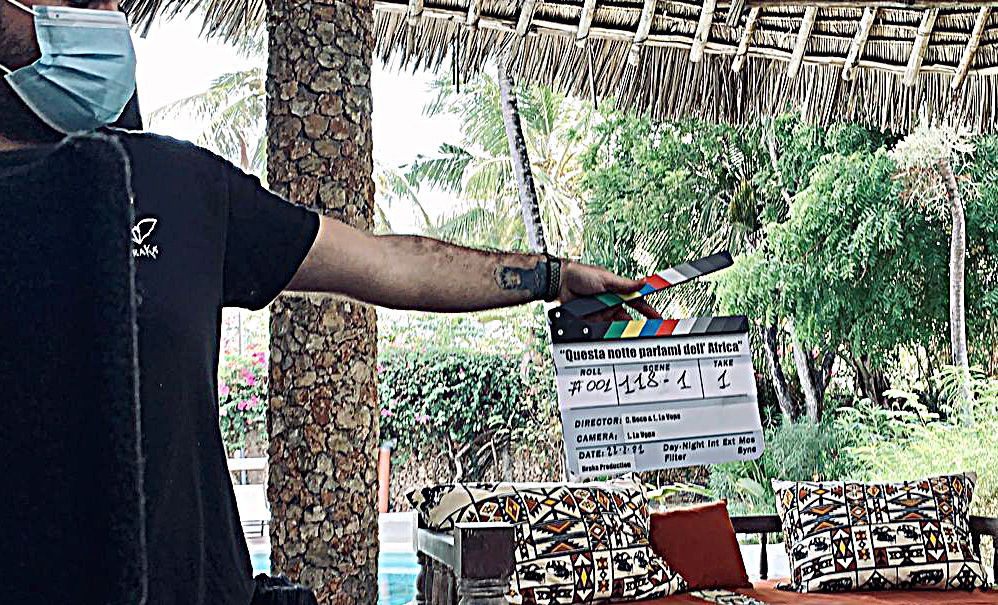
The straightforward answer is this: most movies take between a few weeks and several months to film. The movie production timeline depends on the genre, budget, number of locations, size of the cast, and the level of technical complexity involved.
A standard drama may wrap up in about 30–60 days of principal photography, while a blockbuster with stunts and special effects can spend three to six months filming. Independent films often finish within two to four weeks. And in Nollywood, the schedule can be as quick as 7–21 days, although bigger productions can run for one to three months.
So there's no single answer, but there is a clear pattern.
Every movie follows the same broad structure, no matter the genre or industry. These stages are the backbone of the movie production timeline and explain why filming takes the time it does.
1. Pre-Production (Planning Stage)
This is where everything begins. Pre-production includes script development, casting, location scouting, budgeting, wardrobe prep, set design, and scheduling.
Even though audiences don’t see this part, it’s one of the most influential stages. A film with complicated stunts, several locations, or stars with tight calendars will spend more time planning.
Pre-production can last weeks or months, and in some blockbuster cases, years. For example, big Hollywood adventures spend countless hours designing sets, building props, storyboarding action scenes, and preparing visual effects plans.
2. Principal Photography (Actual Filming)
This is the section most people think about when they ask, How long do movies take to film? It’s where the cameras roll and the cast shows up every day.
The film shooting schedule is strict. Every scene has to be shot in a specific order based on logistics; locations, weather, cast availability, and production costs. A director may shoot the final scene before the first scene if it saves time and money.
Here’s what typical principal photography looks like:
Small independent films: 2–4 weeks
Romantic dramas or comedies: 30–60 days
Horror films: 3–6 weeks
Big blockbuster movies: 3–6 months
CGI-heavy franchises: sometimes even longer
Nollywood movies: 7 days to 3 months, depending on the budget
This is why the average duration cannot be pinned to just one number. Every production has its own demands.
3. Post-Production (Editing, Sound, and Visual Effects)
After filming ends, a brand-new stage begins, and it’s often longer than the actual shooting. Editors sort through hours of footage, sound designers build audio layers, colourists adjust the entire colour mood, and visual effects studios construct CGI sequences.
A simple romance film might spend 4–8 weeks in post-production, while a Marvel-style film can spend 8–12 months, sometimes even longer.
Post-production is why audiences sometimes wait more than a year after filming wraps before the final movie appears in cinemas or on streaming platforms.
How Long Different Types of Movies Take to Shoot
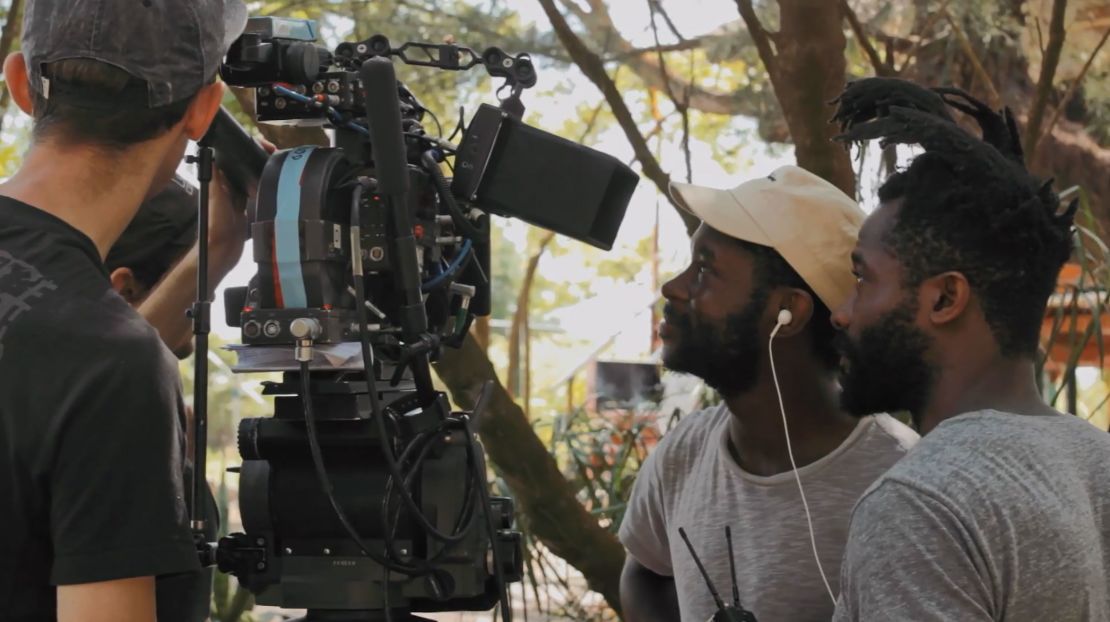
To make things clearer, here’s how long various film categories typically spend in principal photography:
1. Big-Budget Blockbusters
Action films, superhero movies, and fantasy adventures tend to require extended filming because of stunts, multiple sets, and CGI planning. Many spend three to six months shooting.
Keywords to include: filming duration, long movie production timeline.
2. Hollywood Dramas and Comedies
These films are more grounded and usually require fewer locations and stunts. A standard film shooting schedule here ranges from 30–60 days.
3. Horror and Thriller Movies
These often shoot faster because they rely more on atmosphere and tension, not complicated effects. Many wrap in 3–6 weeks.
4. Independent Films
Indie operate with small budgets and tight calendars. It’s common for them to finish principal photography in two to four weeks, sometimes less.
5. Nollywood Productions
Nollywood is known for its impressive speed. Low-budget films shoot in 7–14 days, while mid-budget dramas and comedies shoot in 14–30 days. Large-scale thrillers, musicals, or epics may take one to three months.
This fast turnaround is part of what makes Nollywood one of the most productive film industries in the world.
Factors That Affect How Long Movies Take to Film
Several elements influence the movie production timeline. These include:
Budget
Number of locations
Size of the cast
Weather
Special effects
Makeup and costume complexity
Stunt scenes
Actor availability
Cinematography style
Reshoots or rewrites
Each factor has the power to extend or reduce the film shooting schedule significantly.
Examples of Movie Filming Timelines
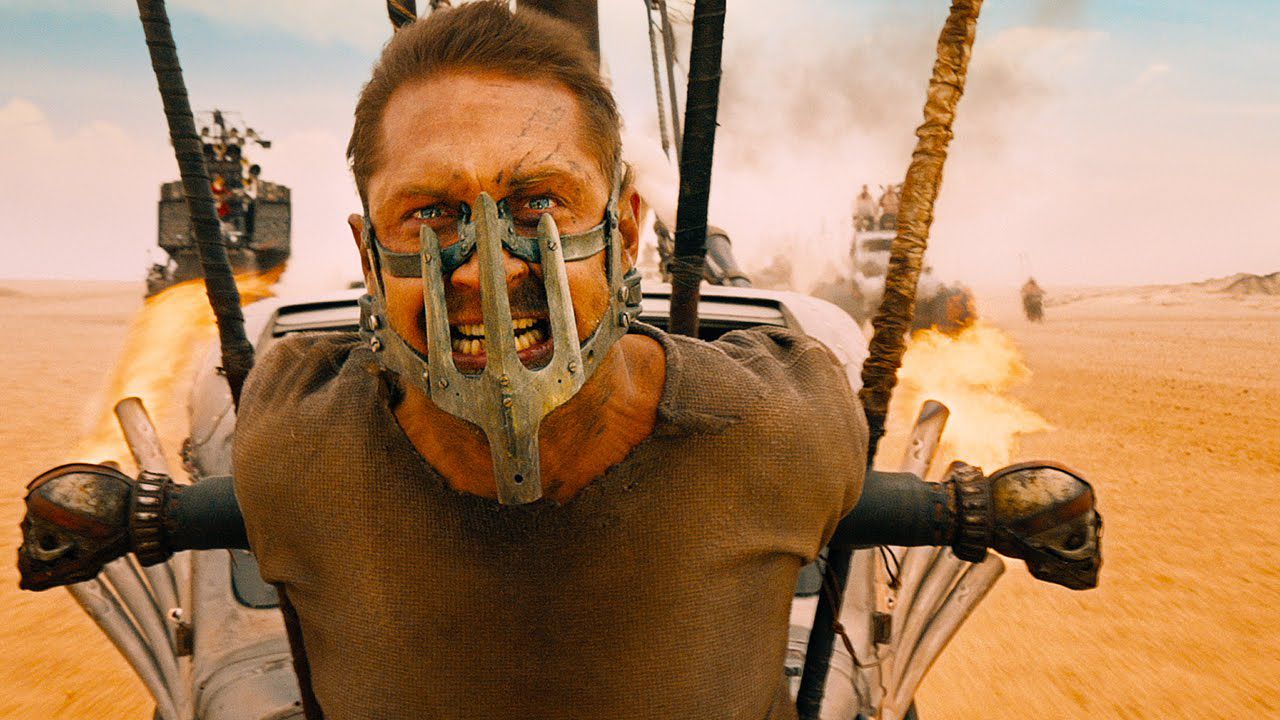
Mad Max
Here are a few examples that highlight how unpredictable film timelines can be:
Mad Max: Fury Road spent over six months filming because of extreme desert conditions and dangerous stunts.
Birdman took about 30 days, thanks to its continuous-shot style.
King of Boys took a longer production period for Nollywood standards because of its scale, locations, and ensemble cast.
Many classic Nollywood dramas shot in under two weeks due to budget restraints and quick turnaround demands.
These examples show how the average filmmaking duration depends greatly on the project’s scope.
RELATED:
So, how long do movies take to film? The answer depends on the story being told, the level of creativity required, the budget, and the technical demands. A movie could finish filming in two weeks or take six months. What matters is how much detail and ambition the filmmakers pour into the project.
Film production may look quick from the outside, but every scene takes planning, coordination, and patience. And by understanding the movie production timeline, you can appreciate the effort behind every film you watch, from Nollywood blockbusters to Hollywood franchises.


Comments